Batman n’est pas du genre à se coucher sur le divan et à se répandre en lamentations un Kleenex la main. Pour sonder la psyché du duo Wayne/Batman, il a fallu faire appel à un spécialiste, le Docteur Travis Langley, professeur de psychologie dans l’Arkansas et docteur en psychologie sociale expérimentale à l’université de Tulane. Mais surtout ici, Travis Langley est l’auteur de Batman and Psychology: A Dark and Stormy Knight, qui paraît la semaine prochaine aux États-Unis. Langley propose de faire tomber le masque de Batman dans notre numéro… (continued at Geek le Magazine)
Wizard World Philadelphia Comic Con 2012 Panel with Anthony Michael Hall
From the Wizard World Philadelphia schedule:
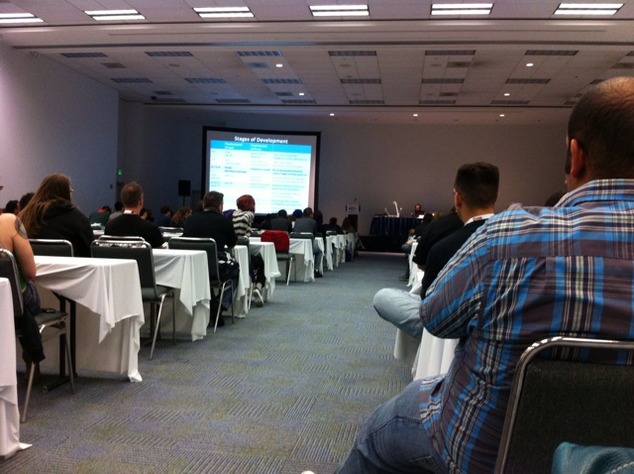
1:00-1:45PM BATMAN AND PSYCHOLOGY: A DARK AND STORMY KNIGHT WITH TRAVIS LANGLEY AND ANTHONY MICHAEL HALL
As Christopher Nolan’s Batman trilogy concludes with this summer’s The Dark Knight Rises, superherologist and psychologist Travis Langley (author of Batman and Psychology: A Dark and Stormy Knight) delves beneath Batman’s cowl to examine the complex inner world of Bruce Wayne in comics and films. Does Batman have PTSD, OCD, or any other mental illness? Why the mask, the bat, and attraction to the cat he ought to lock up? Actor Anthony Michael Hall shares stories from the filming of The Dark Knight and discusses how that film’s events might affect Gotham’s citizens. What lies ahead for Gotham City’s masked hero? Will Batman break? (ROOM A)
Comics Bulletin Interview: Getting Inside Batman’s Head
Comics Bulletin writer Laura Akers attended one of my WonderCon presentations this month and later interviewed me about some things I had to say about what goes on beneath Batman’s cowl.
My 2012 WonderCon panels:
“Psychology of Batman” Robin Rosenberg & Travis Langley. My part: “Batman vs. Hamlet”
“Lessons Learned from Batman about Female Superheroes and Trauma: Resilience, Recovery, & Relaunch.” Andrea Letamendi, Robin Rosenberg, Travis Langley, & Bryan Q. Miller.
“Focus on Bob Schreck.” Bob Schreck & Travis Langley.
“All I Really Need to Know, I Learned from Batman and Bart, Man: Embiggening Brains without Crayon Implant.” Travis Langley, E. Paul Zehr, & Karma Waltonen.
Interview by Laura Akers
This year’s Comic Arts Conference at Wondercon was really diverse. From panels that carefully analyzed how meaning is created on the standard comic-book page to the tension between biology and technology in Batman and Iron Man to how comics are used in the classroom, there was something for everyone. Travis Langley, author of the upcoming Batman and Psychology: A Dark and Stormy Knight, gave us two presentations, one on how he uses Batman to teach psychological concepts to his students and a second on the question of Batman’s personal psychological issues and possible diagnosis. His analysis of Batman was so interesting that we had to ask some follow-up questions:
Laura Akers for Comics Bulletin: In your classes, you use Batman and related characters (from the comic books, movies and TV) to talk about specific psychological conditions. Why does the Batman universe lend itself so well to discussing these kinds of issues?
Travis Langley: He’s the superhero with no superpowers. His origin taps into a primal fear that we all understand, but even before that origin, his creators Bob Kane and Bill Finger invested our primal fears in his very look. They created a hero we could all imagine might exist in real life — no secret formula, magic ring or rocket to Earth required. He’s the part of us that wants to scare life’s bullies away… [Go to Comics Bulletin for complete interview.]
WonderCon recap: ‘Prometheus’ and ‘Abe Lincoln: Vampire Hunter’ impress, ‘Community’ returns and Batman isn’t crazy
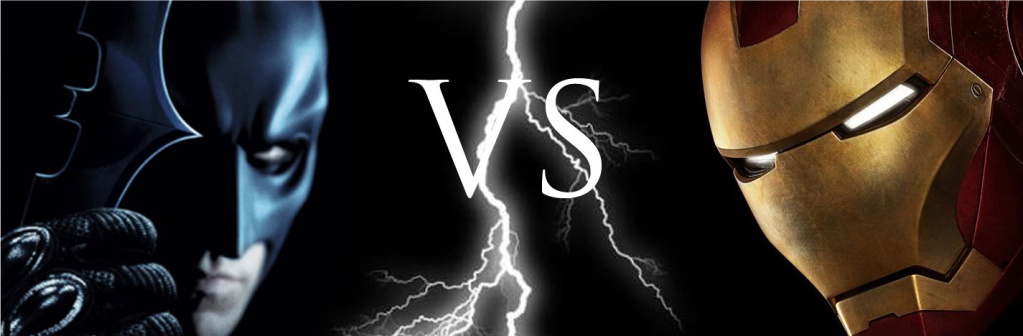
…Batman versus Iron Man looked at what circumstances each could win a fight in, and while Iron Man generally had the edge, Batman’s intelligence, planning and sheer drive left him with some hope. As for what’s wrong with him, they ran down potential disorders he could have from depression to post-traumatic stress disorder, and ultimately concluded that the character has experience trauma but doesn’t suffer from any of these disorders. As a fan of this stuff, it’s nice to see it being treated seriously (or, as seriously as it’s possible to take it)…
Batman, Psychology, Uberfandom, Wondercon
What’s up with this dude? He runs around in a mask and cape! He broods. He has flashbacks. He can be a bit neurotic. So what’s his deal?
Psychologists Robin Rosenberg and Travis Langley are discussing the psychology of Batman. So far Rosenberg has gone over four disorders, their symptoms, and given examples that people find in the comics. Here’s how the Dark Knight does…
New York Comic Con Panel: Batman vs. Iron Man
Comics Studies Conference 4: Batman vs. Iron Man: Can a Person Truly Become Either?
Date: Saturday, October 15
2:00 pm – 3:00 pm
Location: 1B03
Speakers: Andrea Letamendi, Dennis O’Neil, E. Paul Zehr, Robin Rosenberg, Travis Langley
Description:
They’re rich, smart, strong, and they have the most wonderful toys. They’re leaders among superheroes even though they have no superpowers and they intimidate other heroes. Batman and Iron Man belong to that very small group of superheroes who have a veneer of reality. Both superheroes are defined by their human frailty combined with extreme training and use of technological enhancements. Comics legend Dennis O’Neil (Batman, Iron Man) and kinesiologist E. Paul Zehr (Becoming Batman, Inventing Iron Man) join psychologists Travis Langley (Batman in His Belfry), Andrea Letamendi (UCLA), and Robin Rosenberg (The Psychology of Superheroes) plus retired NYPD sergeant Mike Bruen in examining what it takes both physically and mentally to create a superhero without benefit of cosmic rays, magic rings, mutant genes, or otherworldly origins.
Track:
Comics
Nerds in Babeland: Superhero Battlefield Coverage by Kristen McHugh
Excerpt from http://nerdsinbabeland.com/archives/3690
The League of Extraordinary Ladies: Superhero Battlefield Coverage by Stephanie Thorpe
Excerpt from http://thelxl.com/2011/08/04/sdcc-2011-round-up-lxl-panels
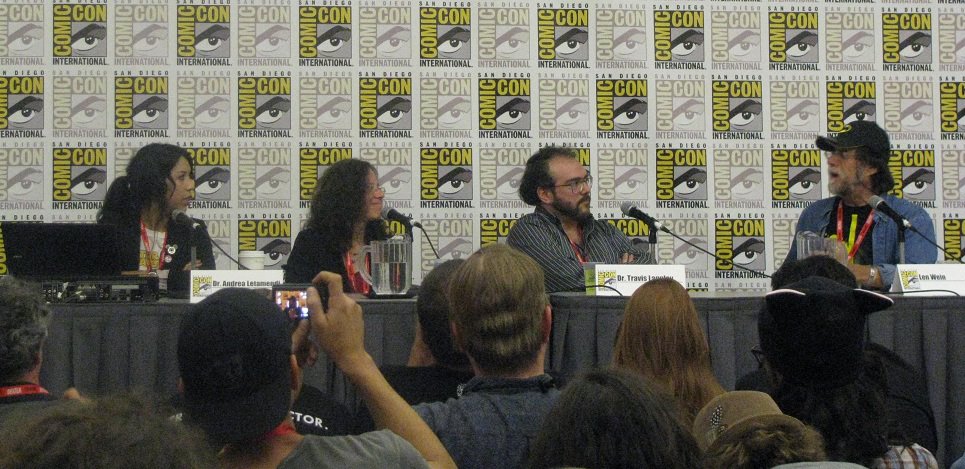
by Stephanie Thorpe: Andrea Letamendi held a fascinating panel Sunday afternoon called The Superhero Battlefield. …panelists deftly broke down how heroes or villains would be compelled to become what they are as a reaction to some severe psychological trauma. Prime examples included Batman and the growth he exhibited, versus someone like the Joker, whose philosophy was summed up by panelist Dr Langley: “if I kill you, I win. If you kill me, I win. How do you fight that?” Coming from an academic background myself, I really appreciated the perspective that that Dr Robin Rosenberg (The Psychology of Superheroes) and Dr Travis Langley (Batman in his Belfry) brought to the panel. I’d love to see them examine similar issues from a female perspective at SDCC next year.
San Diego Comic-Con International Panel: Superhero Battlefield
4:00-5:00 The Superhero Battlefield— What drives superheroes to keep fighting the good fight without getting burned out, disillusioned, or transforming into villains themselves? Trauma psychologist Dr. Andrea Letamendi (UCLA) explores the minds of your favorite comic book heroes and villains, linking them with the very real minds of actual trauma survivors. Alongside Dr. Letamendi are fellow psychologists Dr. Robin Rosenberg (The Psychology of Superheroes) and Dr. Travis Langley (Batman in his Belfry), as well as guest panelists including writer Len Wein (Swamp Thing). Room 4